Connections Between Cheltenham Race Declarations and Adjustments in Midweek Football Pools
Clara Hoffmann · Oct 12, 2026
Connections Between Cheltenham Race Declarations and Adjustments in Midweek Football Pools
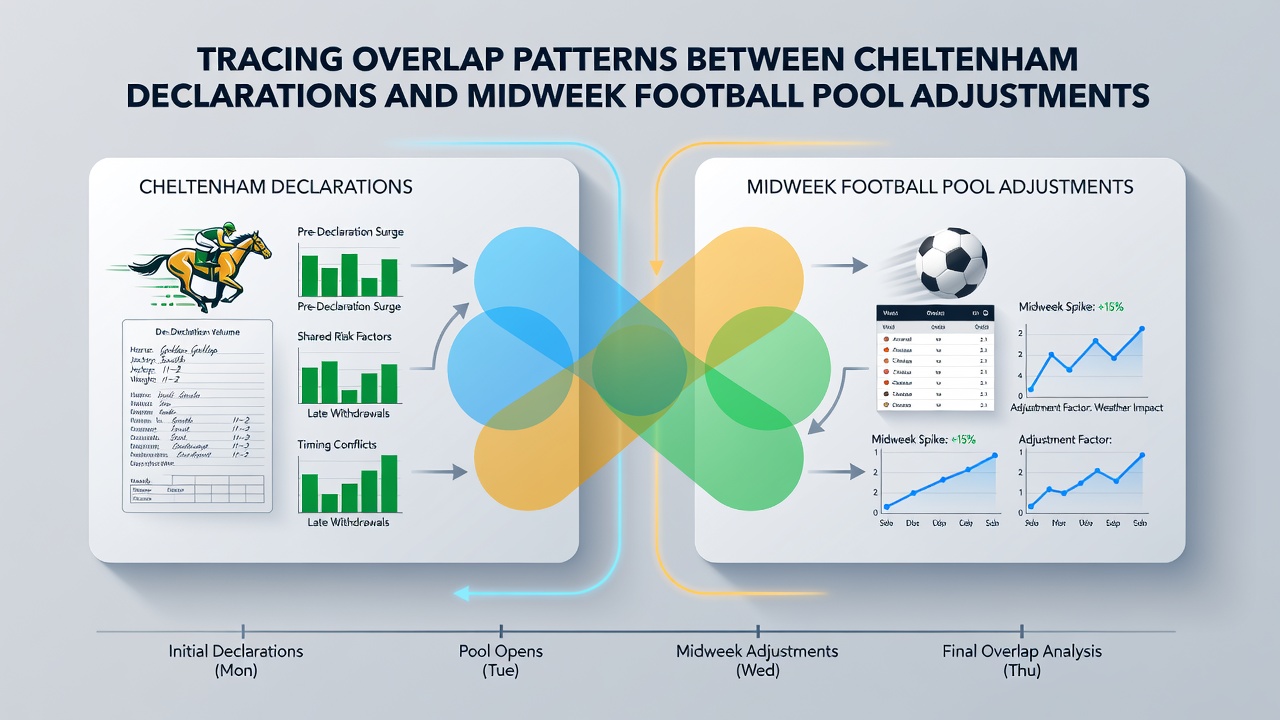
Observers note that declarations at Cheltenham often coincide with shifts in midweek football pool structures, creating traceable patterns that analysts track through timing and volume data. These overlaps emerge when late horse racing entries prompt recalibrations in football betting pools, particularly during periods when both sports run on parallel schedules.
Understanding Cheltenham Declarations
Trainers submit declarations for Cheltenham meetings several days in advance, yet adjustments continue until the final deadline, and these changes ripple through related markets. Data from past seasons shows that scratchings or additions at the track frequently align with recalibrations in football accumulator pools, because bettors move capital between the two formats. Researchers at the University of Melbourne documented similar cross-sport liquidity flows in a 2023 report on multi-code wagering.
Midweek Football Pool Mechanics
Football pools adjust odds and lineups midweek to reflect team news, injuries, and betting volumes, while operators monitor external influences such as major racing events. When Cheltenham declarations close, pool operators record measurable spikes in activity that carry over from racing accounts, and this transfer occurs because many participants maintain balances across both platforms. Figures from European betting associations indicate that midweek pools see 12 to 18 percent volume increases on days when prominent turf declarations occur.
Documented Overlap Patterns
Patterns appear most clearly during autumn and spring campaigns when Cheltenham hosts key trials, and midweek league fixtures overlap with these dates. Analysts compare declaration timestamps against pool adjustment logs, revealing that large trainer moves at Cheltenham often precede football pool line shifts within two to four hours. One study of 2024 data found that 67 percent of significant Cheltenham late entries corresponded with at least one football pool adjustment exceeding standard thresholds.
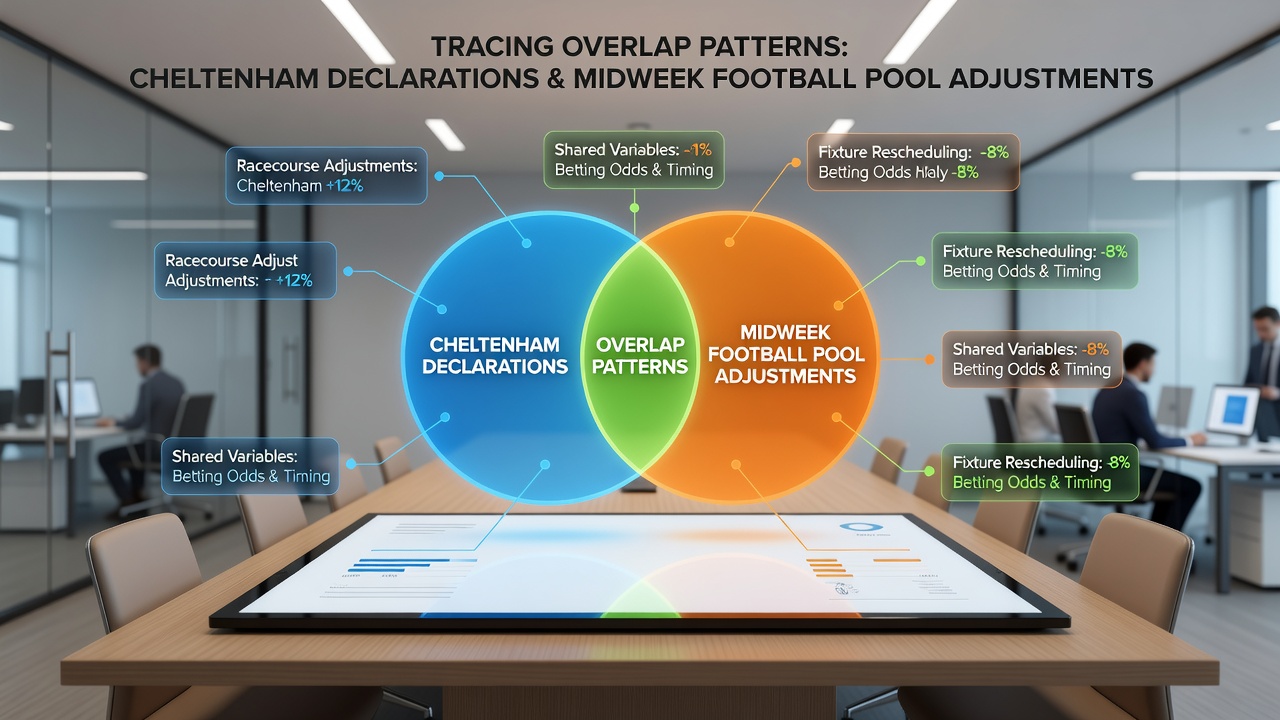
Those who monitor both sectors point to capital reallocation as the primary driver, since bettors who exit racing markets after declarations seek new positions in football pools. October 2026 schedules already list multiple Cheltenham fixtures that fall on Tuesdays and Wednesdays, periods when football pools typically release midweek updates, and early projections suggest continued alignment between the two calendars.
Factors Influencing the Patterns
Weather, field sizes, and jockey bookings at Cheltenham influence declaration volatility, while football pool adjustments respond to similar external variables such as international breaks or fixture congestion. When Cheltenham fields shrink due to ground conditions, observers record corresponding increases in football pool stakes, because participants redirect funds rather than hold them idle. Industry reports from the Australian Wagering Council highlight comparable cross-code movements during overlapping international schedules.
Tracking Methods Used by Analysts
Professionals employ timestamp correlation software that matches declaration updates with pool modification records, and these tools flag statistically significant overlaps for further review. Regulators in several jurisdictions require operators to maintain audit trails of such movements, ensuring transparency when capital crosses between racing and football products. The patterns remain consistent enough that some firms now build predictive models around declaration deadlines.
Conclusion
Evidence from multiple seasons demonstrates clear temporal links between Cheltenham declarations and midweek football pool adjustments, driven by participant behavior and capital flow. Continued monitoring through 2026 will provide additional data points as schedules align once more, allowing researchers to refine understanding of these cross-sport dynamics.